
2026-03-20
Pizza Was Never Supposed to Be Fast Food — The History of How Naples Got It Right
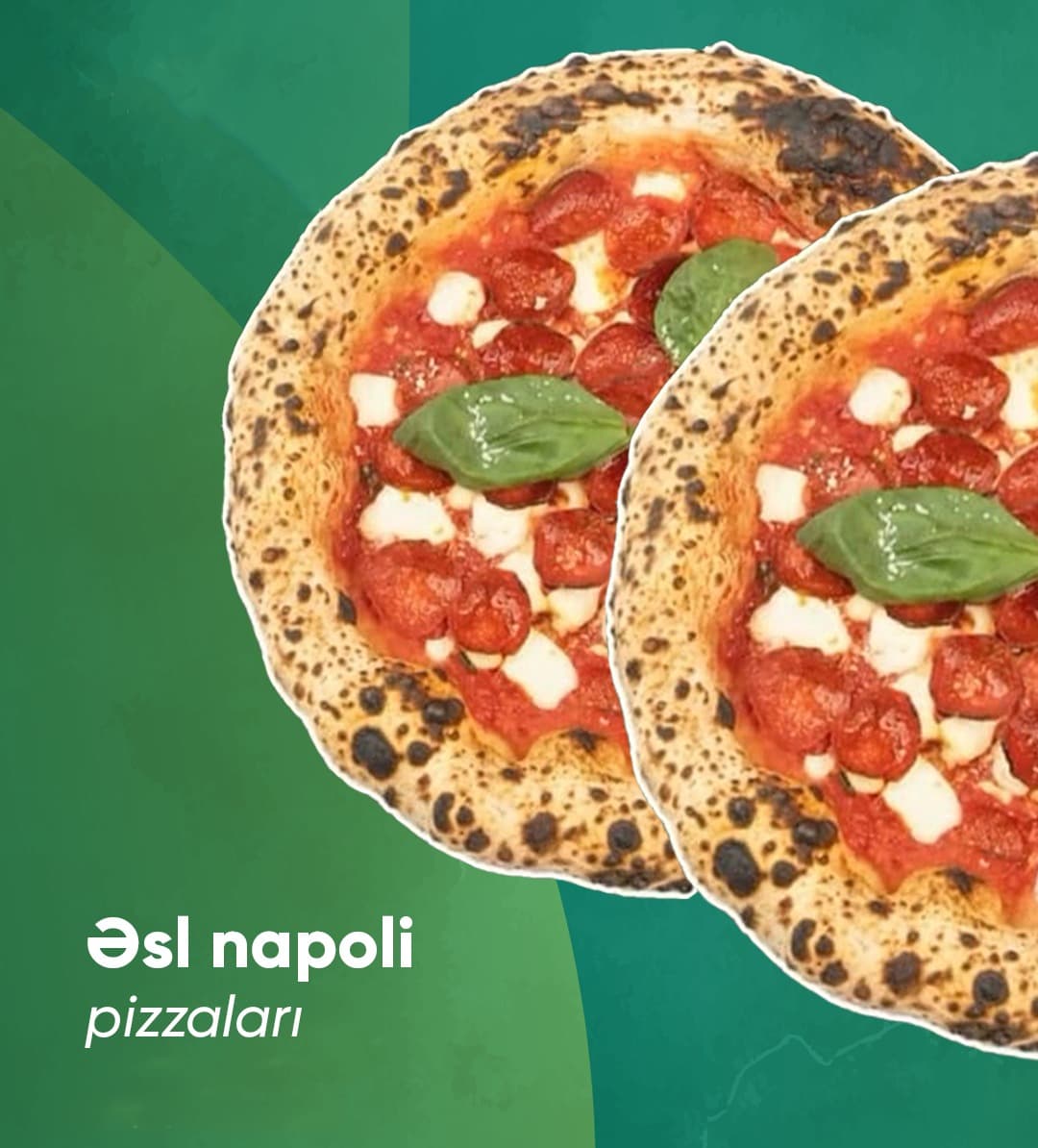
Say "fast food" today and you picture something frozen, reheated, wrapped in paper, and engineered to taste identical in every country on earth.
But here's the irony: pizza was the original fast food. Long before drive-throughs and delivery apps, the people of Naples were eating pizza on the move — folded in one hand, bought for a few coins, made in under two minutes. It was quick, cheap, and everywhere.
The difference is that Naples made food that was fast and real. Somewhere along the way, the rest of the world kept the "fast" and quietly threw away the "real." To understand why authentic Neapolitan pizza tastes nothing like what most of us grew up with, you have to go back to where it started.
Pizza was food for the poor
Pizza didn't begin in a fine restaurant. It began in the crowded, working-class streets of Naples in the 1700s and 1800s — a city packed with laborers who needed something cheap, filling, and fast.
Flatbread with simple toppings checked every box. It cost almost nothing to make, it could be eaten standing up with no plate and no cutlery, and it was sold straight off the street by vendors who carried it through the alleys. There were even pizzaioli who sold pizza on credit — you'd eat today and pay in eight days, the famous "pizza a otto."
This was survival food for ordinary people. And precisely because it was made fresh, fast, and from a handful of cheap local ingredients, it became one of the most honest dishes ever invented. There was nothing to hide behind. Bad dough or bad tomatoes had nowhere to go.
The tomato changed everything
For a long time, Europeans were suspicious of the tomato. It had arrived from the Americas in the 1500s, and many believed it was poisonous. Aristocrats wouldn't touch it.
The poor of Naples didn't have that luxury. They put tomato on their flatbread because it was cheap and it tasted good — and in doing so they accidentally created the foundation of pizza as we know it. The bright, acidic San Marzano tomatoes that grow in the volcanic soil near Naples turned out to be one of the great ingredients in all of cooking.
What looked like a peasant shortcut became a defining feature. The "lowly" food of Naples was quietly perfecting itself.
The pizza that got a queen's name
The most famous story in pizza history takes place in 1889. As the legend goes, Queen Margherita of Savoy was visiting Naples, and a local pizzaiolo named Raffaele Esposito was asked to prepare pizza for her.
He made one topped with tomato, fresh mozzarella, and basil — red, white, and green, the colors of the Italian flag. The Queen is said to have loved it, and the pizza was named Margherita in her honor.
Historians still debate the finer details of the tale. But true or embellished, the legend captures something real: by the late 1800s, the street food of the Neapolitan poor had become good enough to serve to royalty — without changing a thing about how it was made. It didn't need to be fancied up. It just needed to be done right.
Then the world got hold of it — and changed the rules
Naples had cracked the code: a few perfect ingredients, a screaming-hot oven, ninety seconds, eat immediately. Fast and fresh, with no contradiction between the two.
As pizza spread across the world in the 20th century, that balance got broken. To ship pizza, freeze it, mass-produce it, and sell it on every corner, it had to be redesigned. Dough was loaded with sugar and oil so it would stay soft for days. Cheese was swapped for processed, low-moisture versions that survived long bakes and long shelf lives. Ovens got cooler and bakes got longer so the product could move down a conveyor belt. Toppings were piled higher and higher to justify the price.
Each change made pizza easier to manufacture. Each change also moved it further from Naples. "Fast" stopped meaning made quickly from fresh ingredients and started meaning industrially produced and reheated. That's a completely different thing — and it's the version most of the world now thinks of as "pizza."
Naples never needed the upgrade
Here's what's remarkable: through all of it, Naples just kept making pizza the same way. Same four-ingredient dough. Same long fermentation. Same blistering wood-fired ovens. Same restraint with toppings. Same ninety seconds.
In 1984, Neapolitan pizzaioli even formalized it, creating an association to protect the traditional method — the dough by hand, the specific flour, the fresh mozzarella, the high heat, the soft and pliable result. They weren't innovating. They were defending something that had already been right for two hundred years.
The lesson of Neapolitan pizza is almost philosophical: you don't always need to improve a thing. Sometimes the original was correct, and everything that came after was just a compromise dressed up as progress.
Fast and real, the way it was meant to be
This is exactly why Celentano makes pizza the original way. Hand-kneaded dough left to ferment slowly. A 450°C stone oven. A 90-second bake. Real Fior di Latte mozzarella. Delivered to your door in Baku while it's still hot — because Naples taught us that pizza is meant to be eaten fresh, fast, and right out of the fire.
That's not "fast food." That's fast food — the way Naples did it before anyone tried to fix what was never broken.
Taste the original. Order a real Neapolitan pizza and find out what 250 years of getting it right actually tastes like.